



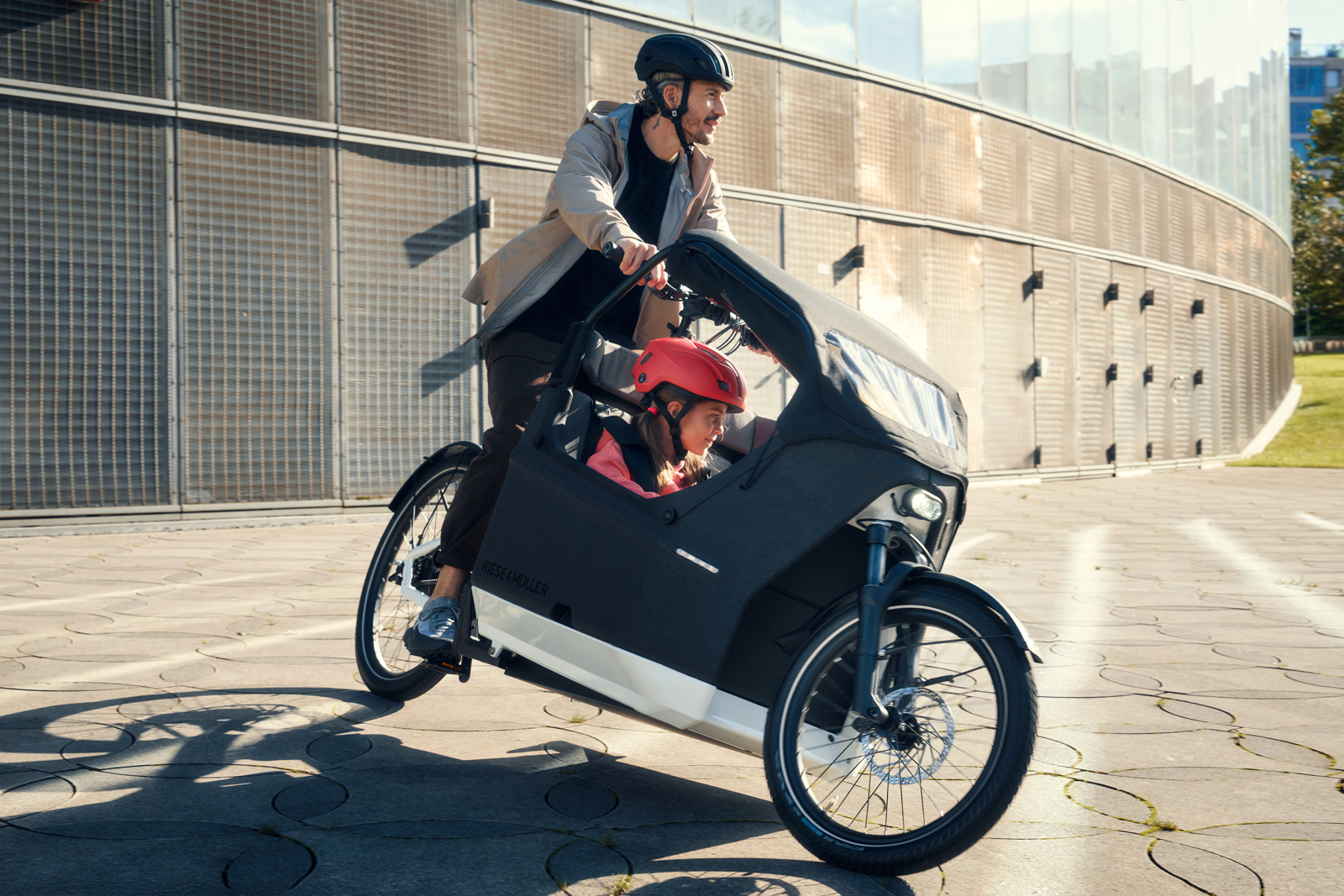
Electric Cargo Bike: More Room for Everyday Life
Ever wanted to take your bike somewhere, then looked at everything you needed to bring and reached for the car keys instead?
Maybe it was a couple of shopping bags. Maybe your work equipment, your child’s backpack or a parcel that was just too awkward to carry.
That is where an electric cargo bike starts to make sense. It gives you more room to bring things along, with a motor to help you pedal when the load gets heavier.
But you do not need a big family or a delivery business to find one useful. Sometimes, you just want to go for a ride without having to think so much about what you can carry.
What Is an Electric Cargo Bike?
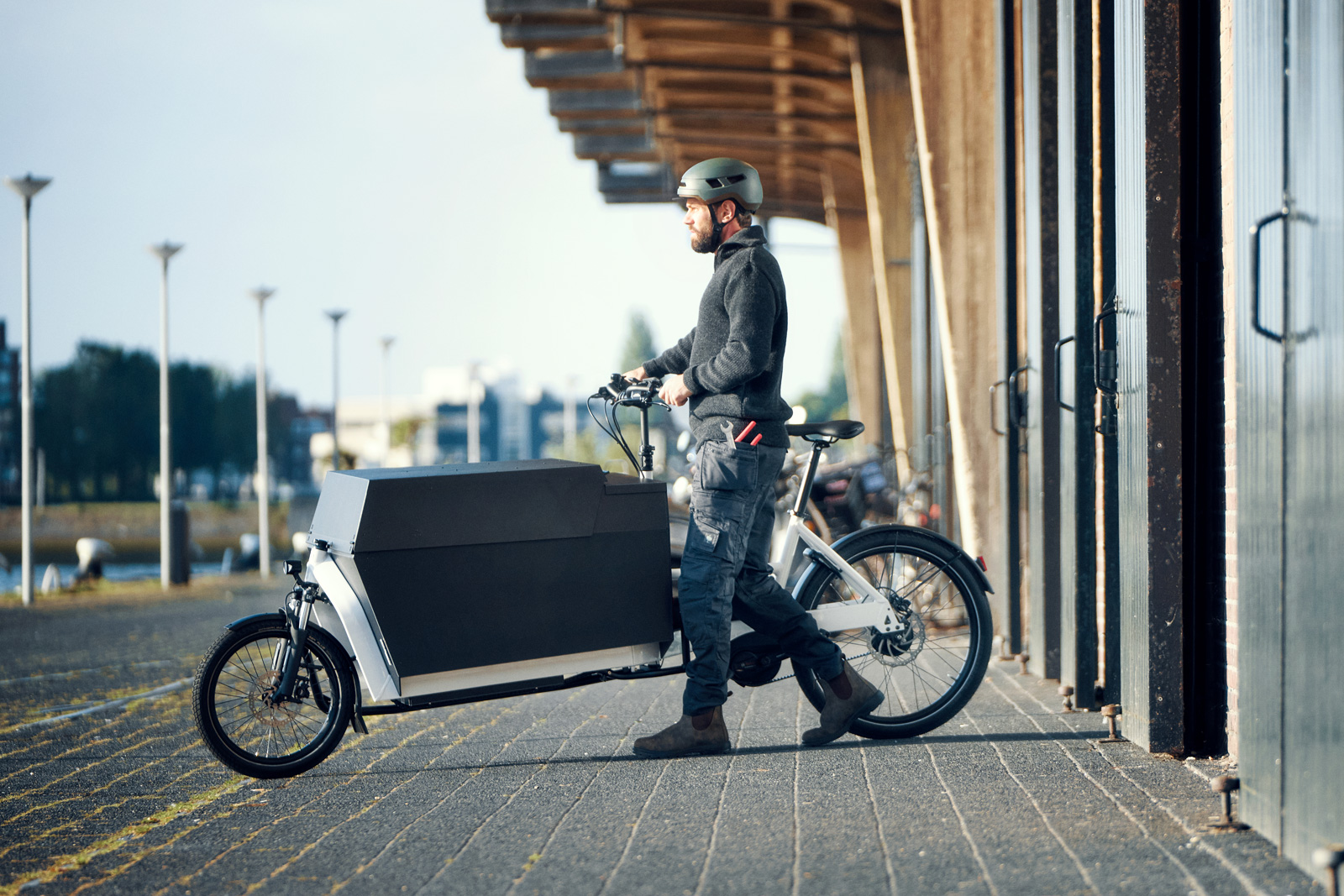
An electric cargo bike is a bicycle built with extra carrying space. Depending on the design, that space might be on an extended rear rack, in a box at the front or on a dedicated loading platform.
The idea is simple: make a bike useful for more of the things you do every day.
You still pedal, while the electric motor adds assistance. That help is particularly welcome when setting off with shopping, riding uphill or carrying a passenger in an approved seat.
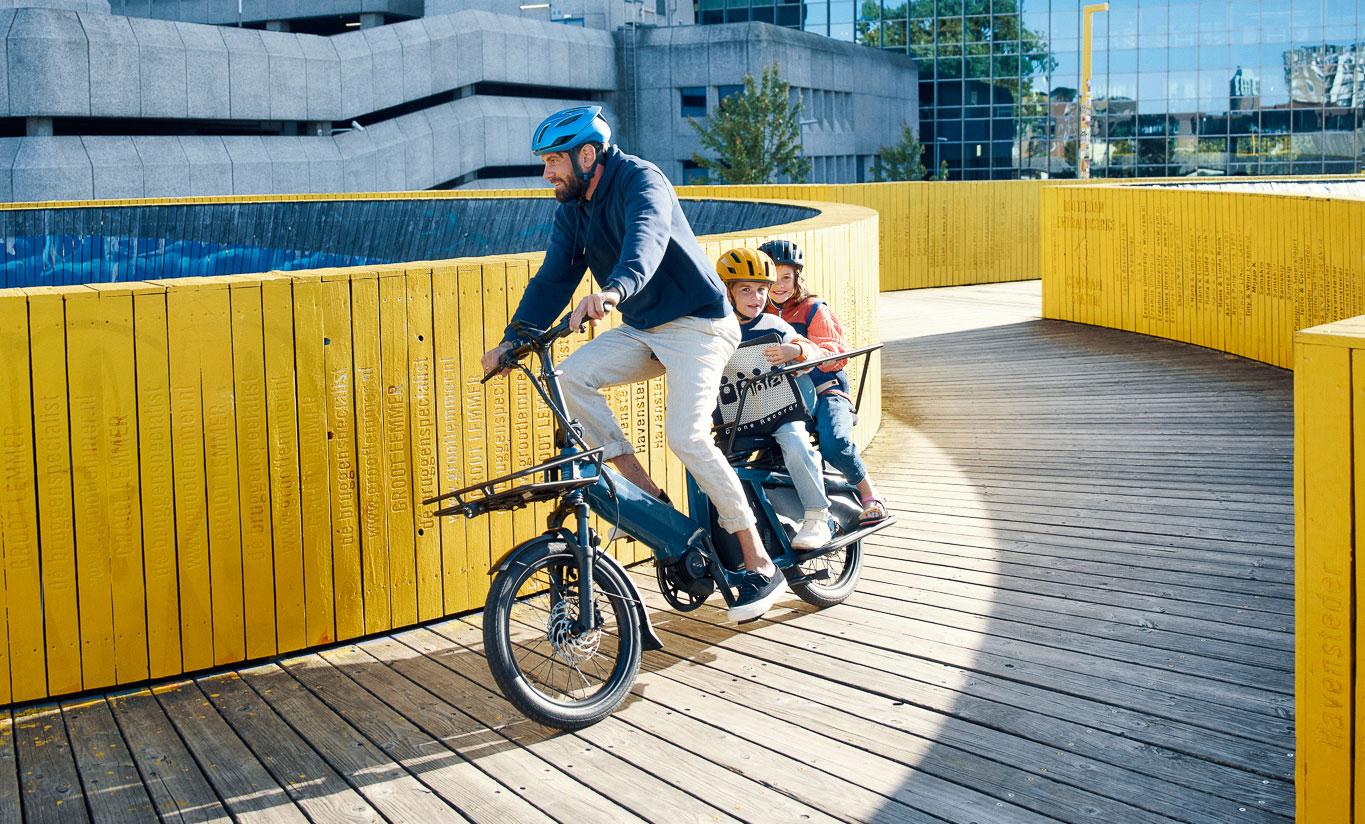
You will see a few different styles. Longtail bikes have an extended rear section for luggage or passenger accessories. Front-loading bikes carry their load ahead of the rider, while cargo trikes use three wheels and have a different riding feel.
There is no single design that suits everyone. A good starting point is to think about what you would like to bring along.
What Would You Use One For?
Think about the short trips you make during a normal week.
Going to work. Picking up groceries. Taking your child to nursery. Dropping off a parcel. Heading to the park with a picnic and more things than you originally planned to pack.
A cargo bike gives you somewhere to put all that stuff without squeezing everything into a backpack.
It can be useful for work, too. Tools, supplies and local deliveries may fit naturally into the right cargo setup, depending on their size and weight.
And sometimes, the benefit is simply being able to stop at the shops on the way home without wondering how you will carry everything back.
You do not need to fill the bike on every trip. Having the space when you need it is the point.
How Much Can You Bring?
It depends on the bike, so check the weight limits before imagining everything you could fit on it.
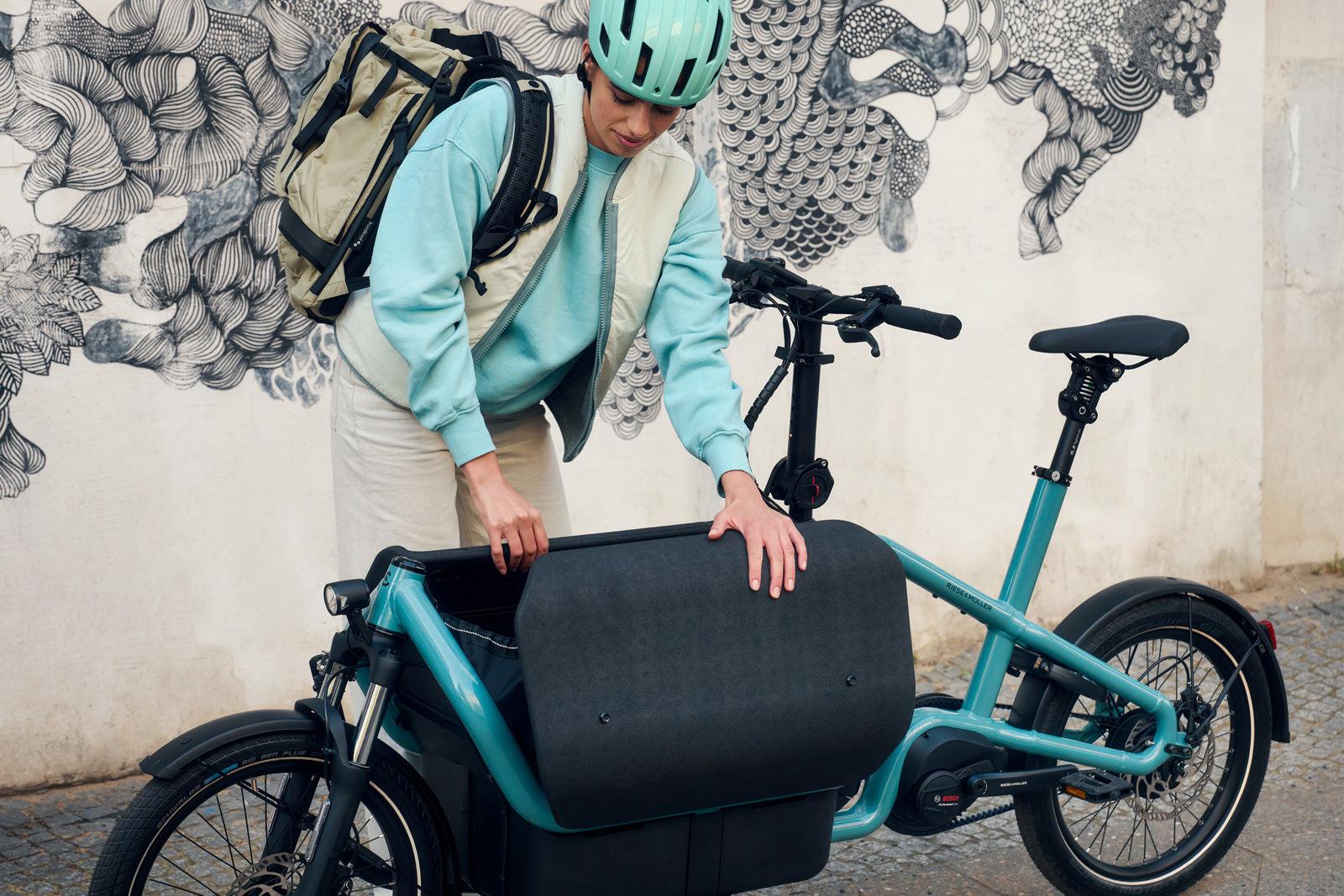
There may be separate limits for the rear rack, front loading area and passenger accessories, as well as a maximum permitted total weight. That total can include the bike, the rider and everything being carried.
In other words, a big box does not automatically mean an unlimited load.
Think about space as well as weight. A few grocery bags need a different setup from bulky equipment, and carrying children requires suitable passenger seating and protection.
The right accessories make a big difference here. Bags, baskets and boxes help keep your belongings secure and make loading less of a daily puzzle.
Can You Carry Children?
Many cargo bikes can be equipped for carrying children, but the seating and accessories need to be suitable for that particular bike.
Depending on the model, passengers may sit behind you or in a purpose-designed front area. Follow the manufacturer’s guidance on seating, age and size limits, restraints, foot protection and helmets.
Then look at the everyday details. Is it easy to help your child into the seat? Is there room for their bag? Can you load and unload comfortably where you normally park?
If family transport is one of your main reasons for buying, those details deserve as much attention as the motor and battery.
What About Battery Range?
It is tempting to look for one number that tells you how far a cargo bike will go. In practice, the answer changes with the journey.
The load, hills, assistance level, weather and tire pressure all affect how much energy you use. Carrying shopping up a steep hill asks more of the battery than riding along a flat path with an empty bike.
Rather than focusing only on the advertised maximum range, think about your usual day. How far is your commute? Would you stop somewhere on the way home? Could you charge between trips if needed?
Leave yourself some margin, and check how charging would work at home. If there is no socket near your parking spot, a removable battery could be an important feature.
The best setup is one that fits easily into your routine.
What If the Weather Is Bad?
Sooner or later, you will open the door and find that the weather has other plans.
Good waterproof clothing, mudguards and protected luggage space can make wet journeys more comfortable. Some cargo bikes also have compatible rain covers for passenger areas.
Cold weather and slippery roads need more consideration. Suitable tires, good visibility and careful riding matter, and you should follow the manufacturer’s guidance for battery use, storage and charging temperatures.
But you do not have to commit to cycling every day of the year. You might ride regularly through spring and summer, then choose your days more carefully in winter.
It is still useful even if it does not become your answer to every journey.
Where to Keep It?
This is worth thinking about before you fall in love with a particular model.
A cargo bike can take up more space than you expect, especially once you add passenger rails, a box or other accessories.
Will it fit through your gate? Can you get it into your storage area? Is there somewhere secure to lock it? Do you have to deal with steps?
Take a few measurements and check the bike’s dimensions. If possible, think through the whole process of arriving home, unloading and putting it away.
A bike that is easy to get out and park is much more likely to become part of your everyday life.
Could You Use the Car Less?
Possibly—and you do not have to decide to sell your car to find out.
Start by looking at a few regular journeys. Could you do the grocery run by bike? Would it work for your commute? Is there a route you would enjoy riding?
Some trips will be a good fit. Others may still be easier by car or public transport. That balance will depend on where you live, what you carry and how you like to travel.
If saving money is part of the appeal, compare the complete cost of the bike and its accessories with the car expenses you would actually avoid. Replacing a second car is a different calculation from driving a little less.
There is also the experience itself. A trip that normally feels like another errand might become a welcome chance to get outside.
Is an Electric Cargo Bike Right for You?
If you enjoy cycling but often need more carrying space, an electric cargo bike is worth a closer look.
You do not need an ambitious plan for it. Start with one or two things you would like to make easier, whether that is shopping, commuting, carrying equipment or taking your child along.
Then find a design that suits those jobs, check that you have somewhere to keep it and spend some time on a test ride.
At Voltride, tell us what you would like to carry and where you plan to ride. We’ll help you work through the options and the practical details.
You might find that having a little more room opens up quite a few reasons to take the bike.
Similar Articles You'll Enjoy


See what our customers say








Since 2016 Voltride has shipped over 12,000 packages to private and B2B customers


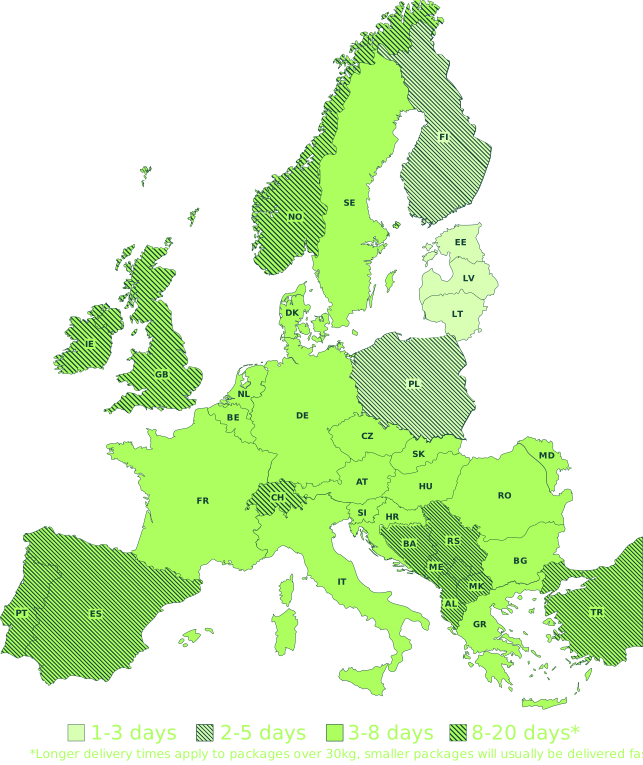
Fast Shipping all across Europe
Watch Us in Action
Voltride for Commuters, Active Riders and Professional Users
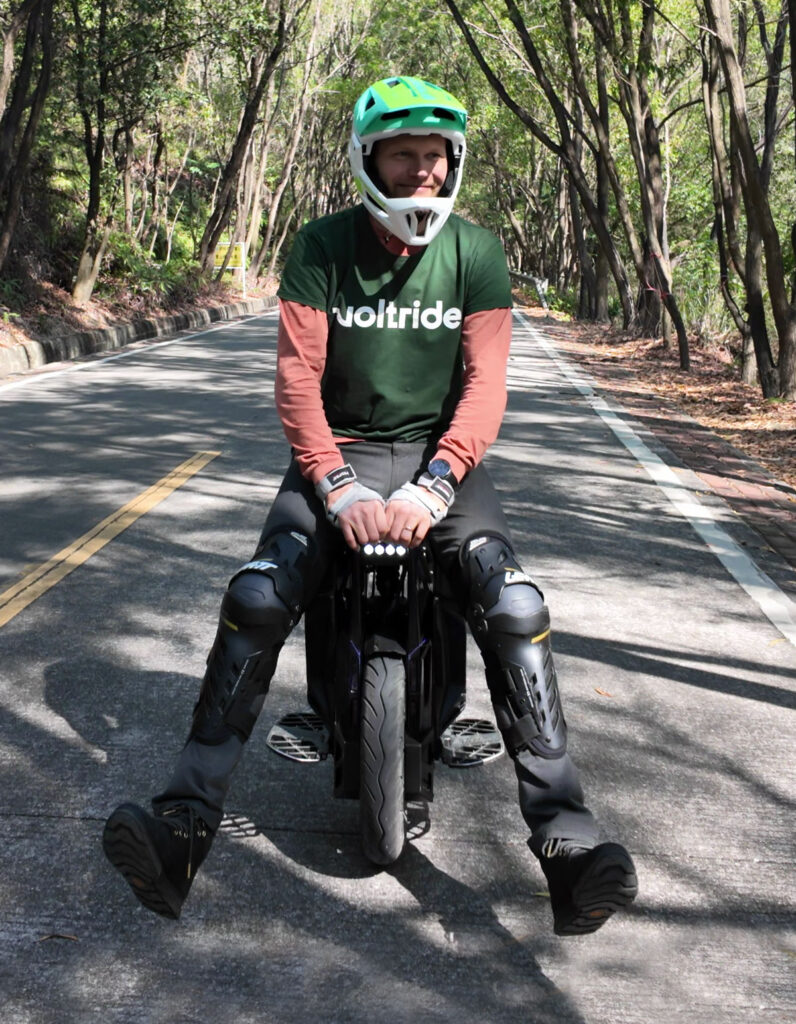
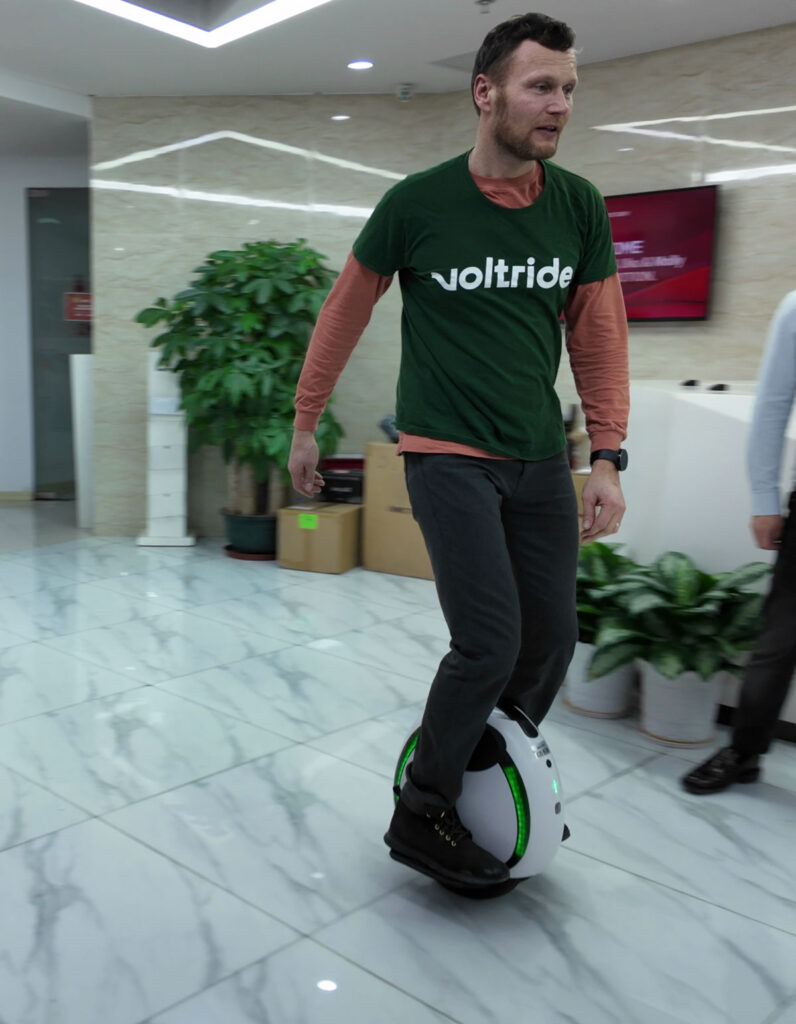
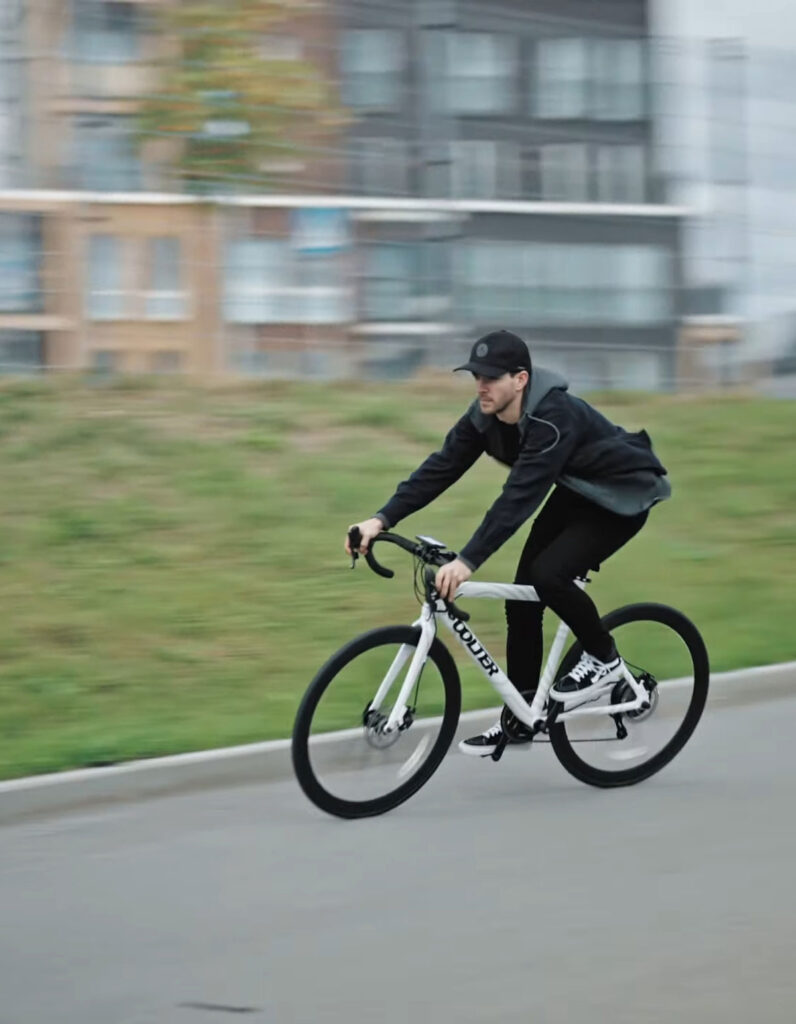
Voltride started in 2016 as a family company gathering enthusiasts and specialists to attract more and more people and businesses to the electric lifestyle. Lifestyle of fun and function, or to put it more elegantly: commuters, active riders and professional users in delivery, tourism and business operations. Voltride is one of the largest players in Scandinavia and the Baltics in the area of personal electric mobility, serving customers across Europe.
Over 12,000 items shipped
2,000 + products and spare parts available in stock
Deliveries to over 34 countries






 About Us


