



Thinking About Getting a Onewheel? Here’s What You Should Know
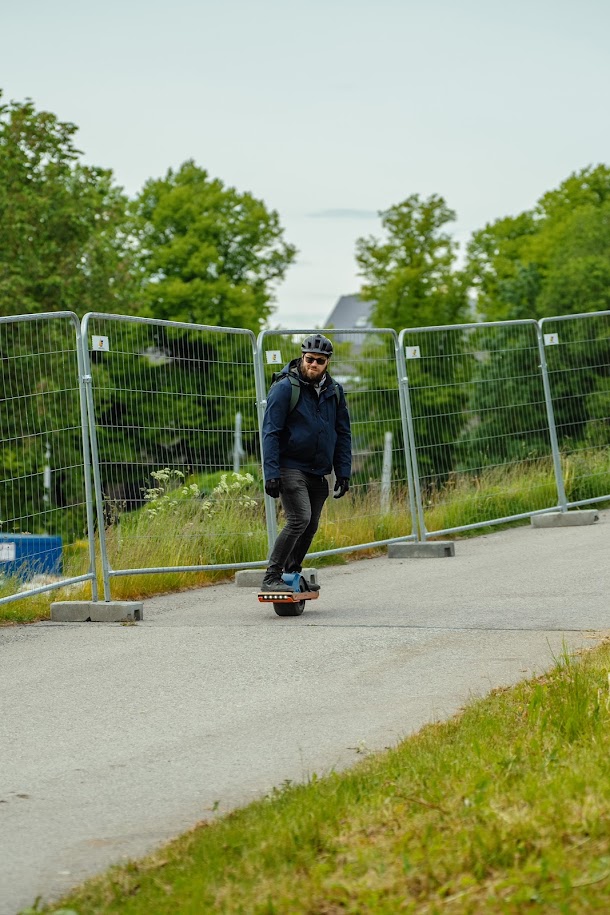
The first time you see someone riding a Onewheel, it can look a little strange. It’s a board with one big wheel in the middle, and the rider seems to glide along without doing much at all.
Then you try one and realise there’s a lot going on beneath your feet.
If you’re curious about Onewheels but aren’t sure whether one is for you, let’s go through the questions people usually ask before getting started.
So, How Does a Onewheel Work?
You stand sideways on the board, with one foot on either side of the wheel. Lean forward and the board moves forward. Shift your weight back and it slows down. To turn, you use your feet and body weight to guide it.
The motor helps balance the board from front to back, but you’re still responsible for balancing from side to side. You also need to watch where you’re going and adjust to changes in the ground.
It can feel a bit like snowboarding on pavement, although you certainly don’t need to be a snowboarder to enjoy it. The best way to understand the feeling is to try one.
Is it Difficult to Learn?
At first, it might feel as though your feet and the board haven’t agreed on who’s in charge. That’s normal.
You don’t need previous board sports experience, but you should give yourself time to practice. Find a flat, open space away from traffic. Having a friend nearby to steady you while you first step on can help.
Don’t worry about covering any distance yet. Just practise getting on, moving slowly, stopping and getting off. Then add a few wide turns. Once you can do those things comfortably, start taking slightly longer rides.
Here’s the bit many beginners overlook: practice stopping and dismounting as much as moving forward. Knowing you can stop calmly makes the rest of the ride more enjoyable.
Which Onewheel Should You Get?
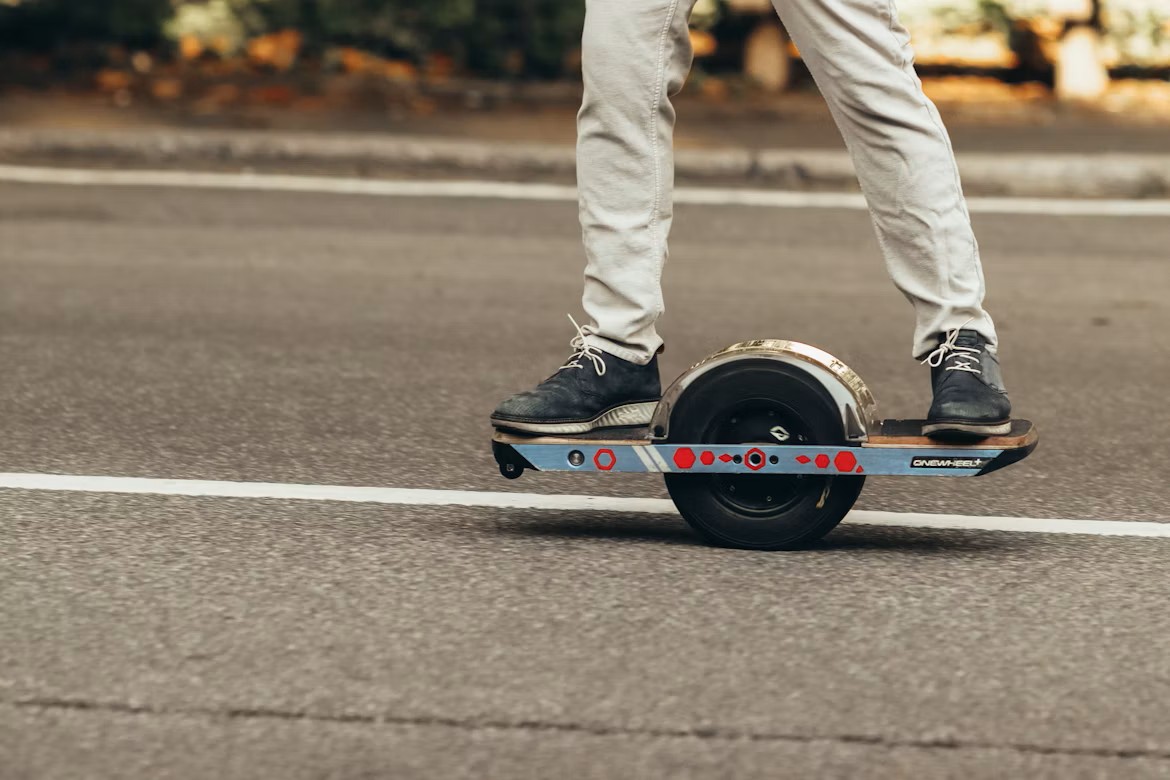
It’s tempting to compare top speeds and pick the most powerful board. A better starting point is to picture the rides you actually want to take.
Will you mainly make short trips around town? Do you want to explore longer paths at the weekend? Will you need to carry the board up stairs? And are you more interested in smooth pavement or mixed terrain?
The Pint models are compact, which can make them appealing if you want a smaller board for shorter trips or have limited storage space. Different Pint versions have different ranges and features, so check the exact model.
The GT models are worth a look if you want a larger board and longer rides. The GT S-Series is geared towards riders looking for stronger performance. That might be exciting, but you don’t need the highest-performance model to have a great first Onewheel.
If you’re torn between two boards, think about the trip you’d take most often. Choose for that trip first. The board that fits your everyday riding will probably make you happier than the one with the most impressive specification.
How Far Can You Really Ride?
The range listed for a Onewheel gives you an idea of what the board can do, but your own result will depend on how and where you ride.
A flat, smooth route is easier on the battery than hills or loose gravel. Riding quickly, accelerating often, tyre pressure, rider weight and temperature can affect range too.
For your first longer rides, leave yourself plenty of battery to get home. After a few trips, you’ll start to learn what range your board gives you on your usual routes. That’s much more useful than assuming every ride will match the advertised figure.
Can You Take it Off-Road?
You can ride a Onewheel on more than pavement, but take your time getting there.
Once you’re comfortable on a smooth surface, try a firm path or easy gravel route. Loose stones, roots, mud and wet leaves ask a lot more of your balance and can change how much grip you have. Slow down and give yourself room to react.
The tyre matters as well. If you expect to spend a lot of time on trails, look at the tyre fitted to the model you’re considering and talk through the kinds of surfaces you’ll actually ride.
What About Safety?
A helmet should be part of every ride. Wrist guards are also a good idea, particularly while you’re learning. Falls can happen quickly, even when you’re only travelling a short distance.
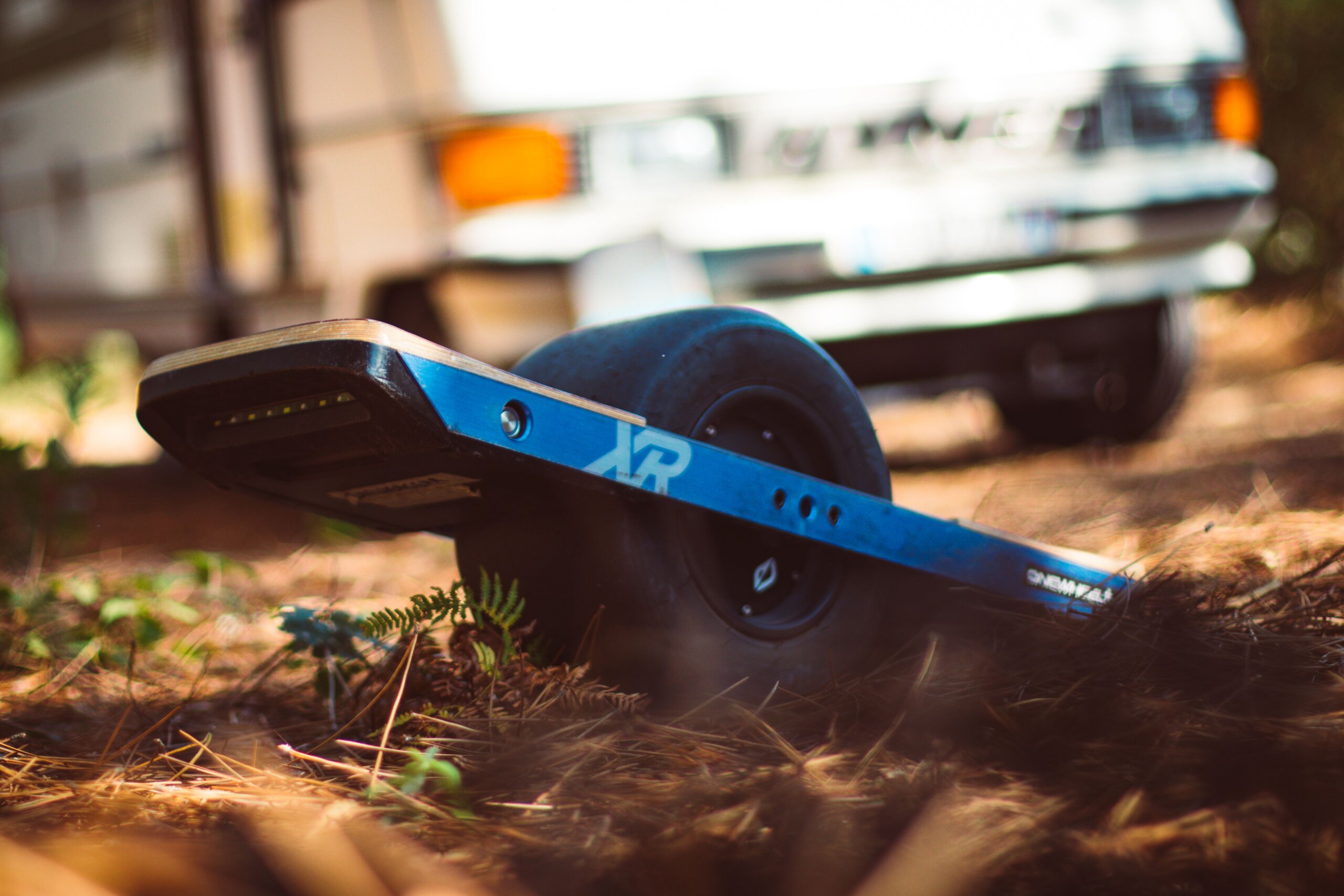
Before you head out, learn what your board is telling you. Onewheel has warnings called pushback and haptic buzz that you need to recognize and respond to. If the board tells you to ease off, ease off. Don’t treat its top speed as a goal for every ride.
It’s also worth doing a quick check before you leave: Is the battery charged? Is the tire in good condition and at the right pressure? What’s the weather like? A minute spent checking these things can save a frustrating walk home.
Onewheel or EUC?
People often ask how a Onewheel compares with an electric unicycle. The biggest difference you’ll notice immediately is your stance.
On a Onewheel, you stand sideways, a little like you would on a snowboard. On an electric unicycle, you face forward. Both take practice, and both can be a lot of fun. Which one feels right is personal.
If you can try them, do. A few minutes on each can tell you more about your preference than a long list of specifications.
Is a Onewheel Right For You?
If the idea of turning an ordinary trip into something you look forward to sounds good, a Onewheel is worth trying. Just expect to spend a little time learning it. That learning curve is part of the experience, and your first smooth, relaxed ride feels all the better for it.
Still unsure which model suits you? Take a look at the Onewheels available at Voltride and tell us where you’d like to ride. We’ll help you narrow down the options.
Similar Articles You'll Enjoy
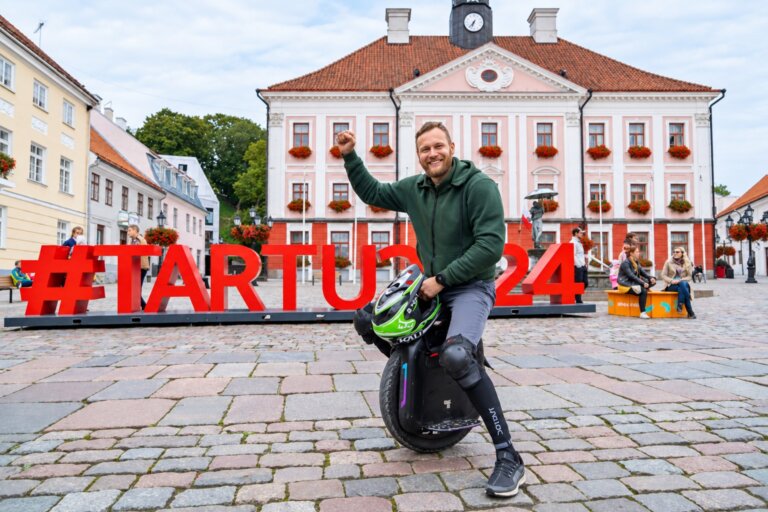
See what our customers say








Since 2016 Voltride has shipped over 12,000 packages to private and B2B customers


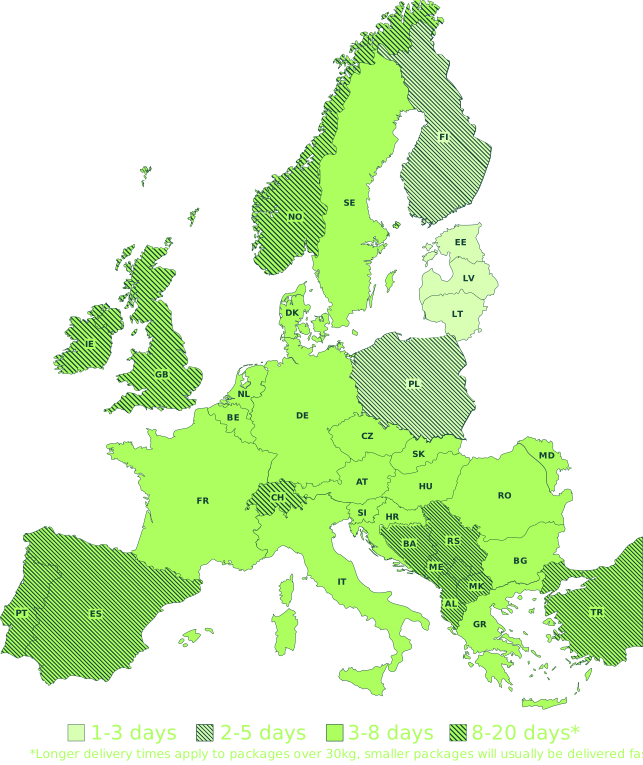
Fast Shipping all across Europe
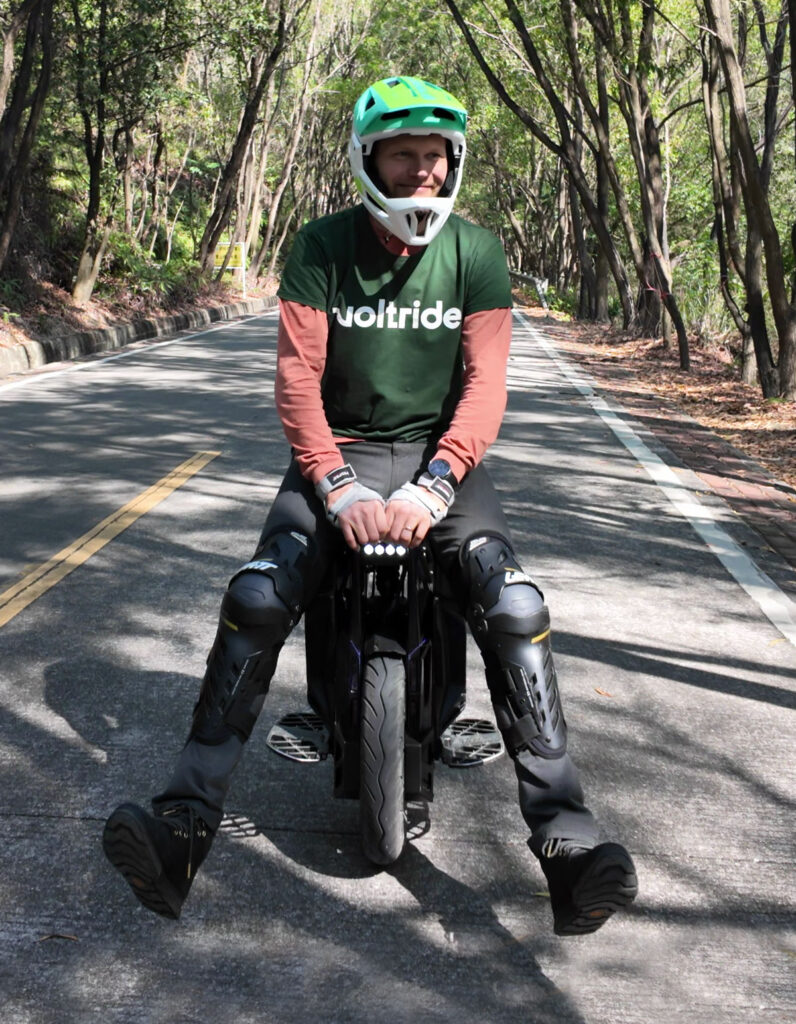
Watch Us in Action
Voltride for Commuters, Active Riders and Professional Users
Voltride started in 2016 as a family company gathering enthusiasts and specialists to attract more and more people and businesses to the electric lifestyle. Lifestyle of fun and function, or to put it more elegantly: commuters, active riders and professional users in delivery, tourism and business operations. Voltride is one of the largest players in Scandinavia and the Baltics in the area of personal electric mobility, serving customers across Europe.
Over 12,000 items shipped
2,000 + products and spare parts available in stock
Deliveries to over 34 countries
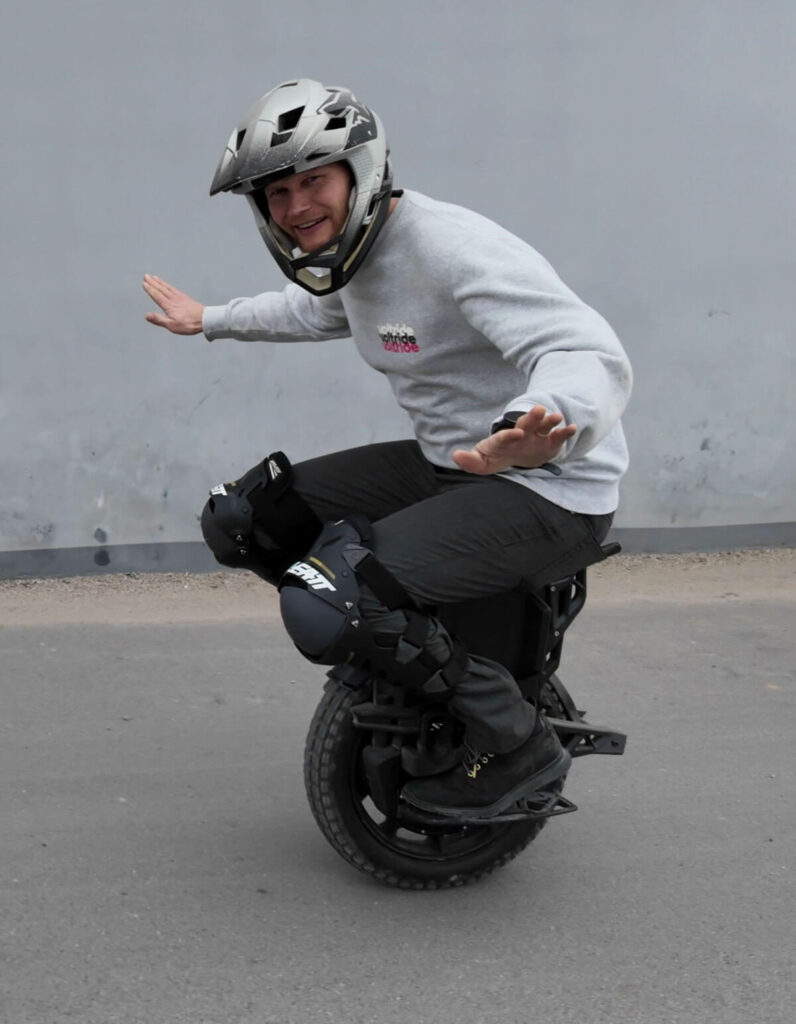




 About Us


