



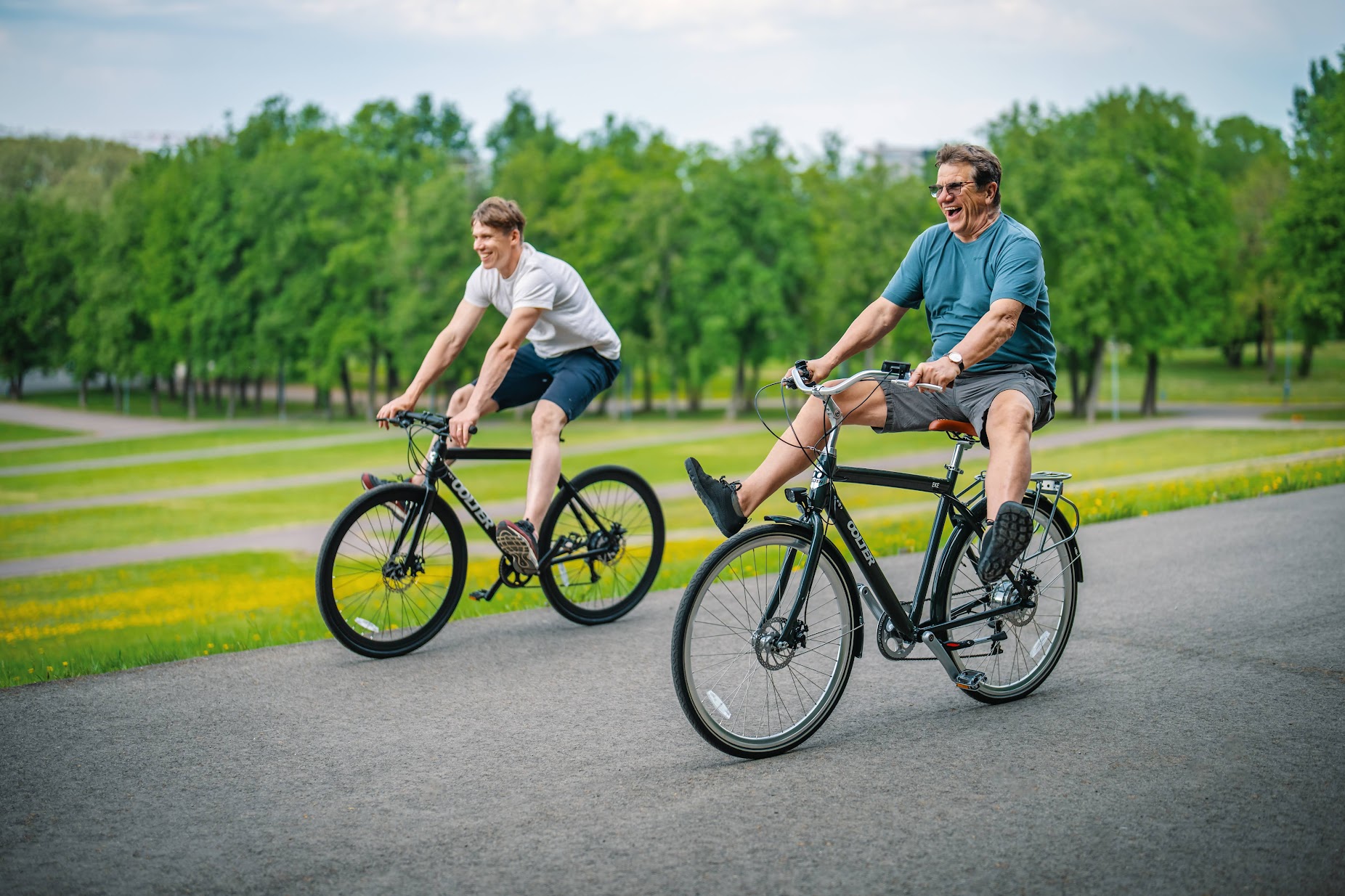
Electric Bike – Everything You Should Know Before Buying
An electric bike can be one of the best purchases you make for your daily mobility. But only if you choose the right one. There are so many different options today that finding a bike that actually fits your needs isn’t always easy. Most people use electric bikes in the city — commuting to work or school, running errands, or just riding around with friends. On top of that, there are sportier models, bikes for seniors and kids, cargo bikes, fat-tire bikes for all conditions, and more. Before buying, it’s worth taking a moment to think a few things through.
Start with the most important question: how will you actually use it?
The biggest mistake people make is choosing “just an electric bike” without thinking about where and how they’ll ride it. In reality, your usage determines almost everything — what frame feels comfortable, what kind of handlebars and tires you need, how big the battery should be, and how powerful the motor needs to be.
If your goal is daily city commuting, a bike with an upright riding position, wider handlebars, a step-through frame, and practical features like lights, fenders, and a rack is a good fit. Depending on your distance, battery size may or may not matter. City bikes can also have narrower tires, which makes them roll more efficiently.
If you plan to ride on rougher roads — gravel, forest trails, hills — it’s better to look at hybrid, gravel, or mountain e-bikes. These typically have a stronger frame, wider tires, and often suspension for a more comfortable ride.
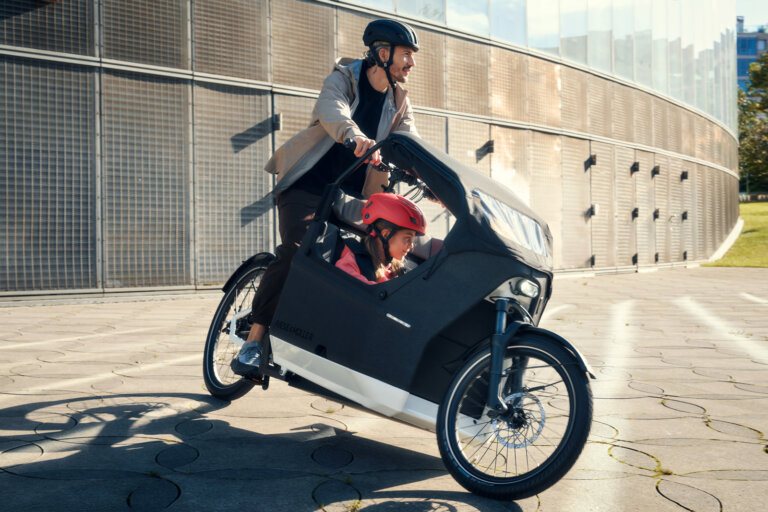
If you need to carry a child regularly, consider bikes with an extended rear rack that fits a child seat with footrests — or go straight for a cargo bike. They’re bigger and heavier, but suitable for transporting multiple children.
If storage space is limited — for example a small balcony or hallway — a folding bike can make a big difference. The same applies if you want to take your bike along in a camper or on a boat. If you’re not sure where you’ll ride most, a safe choice is a versatile, lightweight, and comfortable model that works well in the city but doesn’t limit you when you want to go for longer rides.
Battery – don’t just look at “range”
Range is one of the most misunderstood aspects of e-bikes. Manufacturers usually state it based on ideal conditions — low speed, flat terrain, light rider. Real life is different: temperature, terrain, wind, rider weight, tire pressure, cargo, and how much assist you use all affect range.
If the manufacturer claims 100 km (around a 500 Wh battery), a realistic expectation in city riding is about 70–80 km for a calm rider. With more aggressive riding, the range drops. Off-road, it can be closer to 50%. A heavier rider (90+ kg) reduces range further by around 10–15%. Cold weather can reduce range by 25–30% compared to summer. On the other hand, a lighter rider (like a child) will get noticeably more range. Even riding with low tire pressure increases energy consumption significantly
Think about it like this: If your daily ride is 16–20 km and the real-world range is around 50 km in colder conditions, you’ll still get at least 2 days of riding without charging — often 3–4 days in warmer weather. That’s more than enough. In that case, you might even consider a smaller battery, which is usually cheaper and lighter. No need to overpay.
You may have seen bikes that don’t require pedaling — just throttle. Leaving aside the fact that these are not legal in the EU, their range is significantly shorter with the same battery compared to pedal-assist bikes. That’s why courier bikes often have very large battery packs.
Another important detail: where will you charge the bike? If you have a charging point where the bike is stored, it doesn’t matter much whether the battery is removable. If not, you’ll need to take the battery indoors — in that case, a removable battery is essential.
If you already know that you:
- ride longer distances
- deal with hills
- carry extra weight (child or cargo)
- or just want more peace of mind
then a larger battery is worth it. Otherwise, even 250–300 Wh can be enough.
Motor: hub drive or mid-drive?
There are two main types of motors: hub motors and mid-drive motors.
A hub motor sits in the wheel hub (usually rear, sometimes front). It’s a simpler system, often more affordable, and very reliable. Power is delivered directly to the wheel, which makes maintenance and repairs relatively straightforward.
A mid-drive motor is located between the pedals. It typically offers more torque, which makes it better for hills. These systems are usually more expensive and slightly heavier, but they provide better weight distribution and a more natural riding feel.
In Europe, e-bike motor power is limited to 250 W. For everyday use, this is more than enough. For comparison, a trained cyclist can sustain around 200 W, professionals even 400 W+, and short bursts can exceed 1000 W.
An e-bike motor essentially feels like riding with a strong cyclist assisting you. Uphill and against the wind, the difference is especially noticeable.
Another important component is the sensor that controls when and how the motor assists you.
The best option is a torque sensor, which responds smoothly based on how hard you pedal. Simpler sensors react with a delay (1–3 seconds), which can feel jerky — especially when starting or stopping.
If possible, go for a torque sensor. The difference is bigger than most expect.
Brakes – this really matters
E-bikes are heavier and often faster than regular bikes. That means braking performance is critical.
A simple rule: the heavier and more powerful the bike, the more you should prefer hydraulic disc brakes. Larger brake discs also provide stronger braking. These brakes offer better control and confidence, especially in wet conditions or at higher speeds. If hydraulic brakes feel too expensive, mechanical disc brakes are still a solid option.
Weight and storage – think about everyday use
This is something many people overlook before buying — and then deal with every day after.
E-bikes often weigh 20–30 kg (or more). If you need to carry the bike up stairs or lift it onto a car rack, it can quickly become inconvenient.
Ask yourself:
- Where will I store the bike, and is it secure?
- Will I need to carry it upstairs?
- Does my bike rack support the weight?
If these raise doubts, consider lighter models or rethink your storage solution beforehand.
Choose the right frame size!
On paper, two bikes may look identical — but the difference becomes obvious when you ride them.
The best thing you can do before buying is a test ride.
Keep in mind:
- too large → back pain
- too small → knee pain
With e-bikes, sizing is slightly more forgiving because of the more upright riding position. The motor does much of the work, so comfort matters more than efficiency.
During a test ride, pay attention to:
- riding position
- reach to the handlebars
- saddle comfort
- stability
- motor response
- braking feel
- overall comfort
If the bike feels right immediately, that’s a very good sign. If it feels “okay”, that feeling usually doesn’t improve later.

Maintenance and warranty – who helps you after purchase?
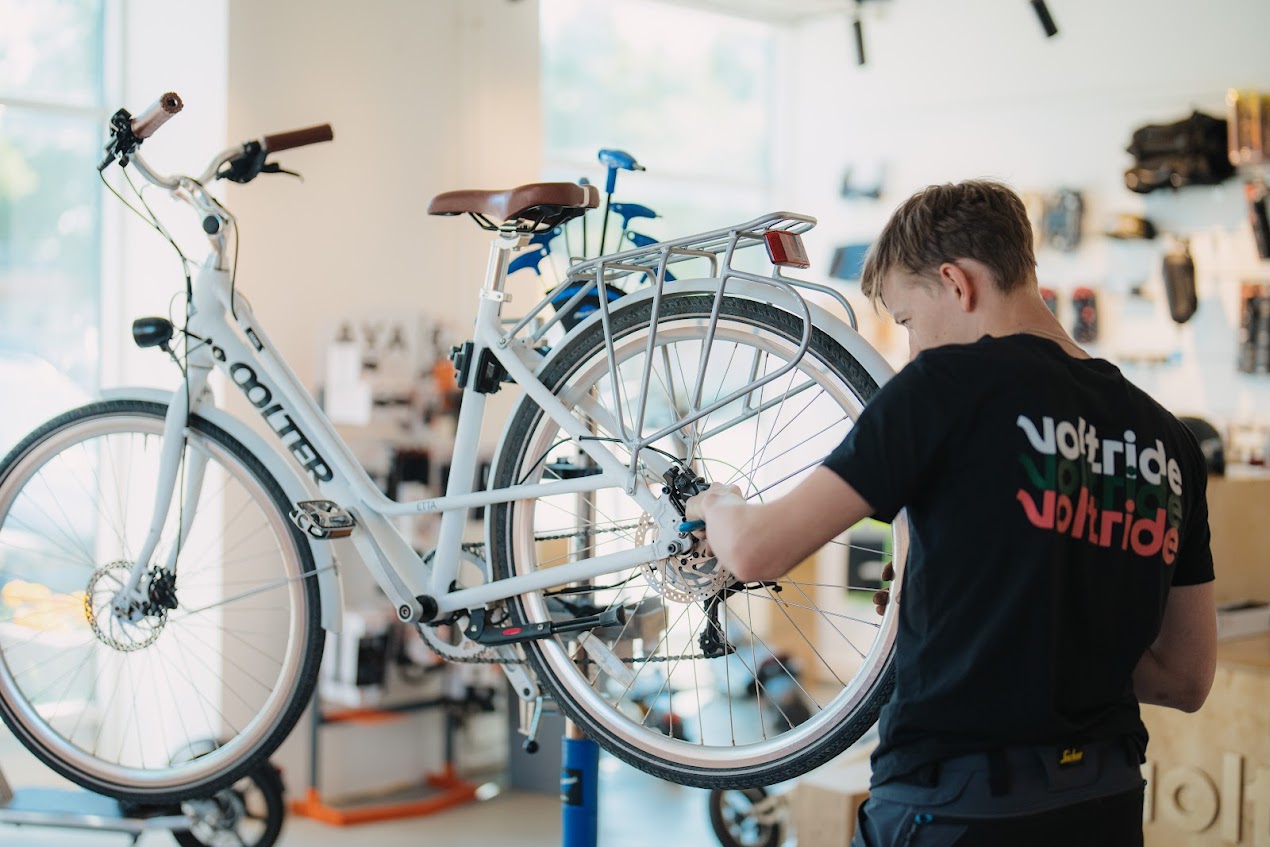
An e-bike isn’t just a frame and wheels — it also includes a motor, battery, and electronics. Maintenance is part of ownership.
Before buying, check:
- where the bike is serviced in Estonia
- how easy it is to get spare parts
- how the warranty actually works
The good news: with Voltride, you’re not left on your own. We service all bikes we sell and many others regardless of brand or where they were purchased. We’re an official service partner for Bosch, Fazua, and Shimano, and we have access to parts for many other systems as well.
Rules and regulations
In Estonia and across Europe, a standard e-bike must:
- assist up to 25 km/h
- have a maximum power of 250 W
- only provide assistance while pedaling
If a bike exceeds these limits, it’s not allowed in regular traffic.
Always make sure the bike complies with regulations before buying.
Small extras that make a big difference
Don’t forget — the bike itself isn’t the only cost. For everyday use, you’ll likely need:
- a helmet
- a good lock
- lights (if not included)
- fenders
- a rack or basket
- often a phone mount
These are the things that make your bike truly practical.
Summary
An electric bike can be one of the best investments for your mobility — but only if it actually fits your lifestyle. Start with a simple question: how do I really ride? Not which model is on sale or what someone else recommended.
If you’re unsure which e-bike to choose, don’t try to figure it out alone. Get in touch with the Voltride team — we’ll go through your needs, budget, and riding habits together and help you find the right bike.
See what our customers say








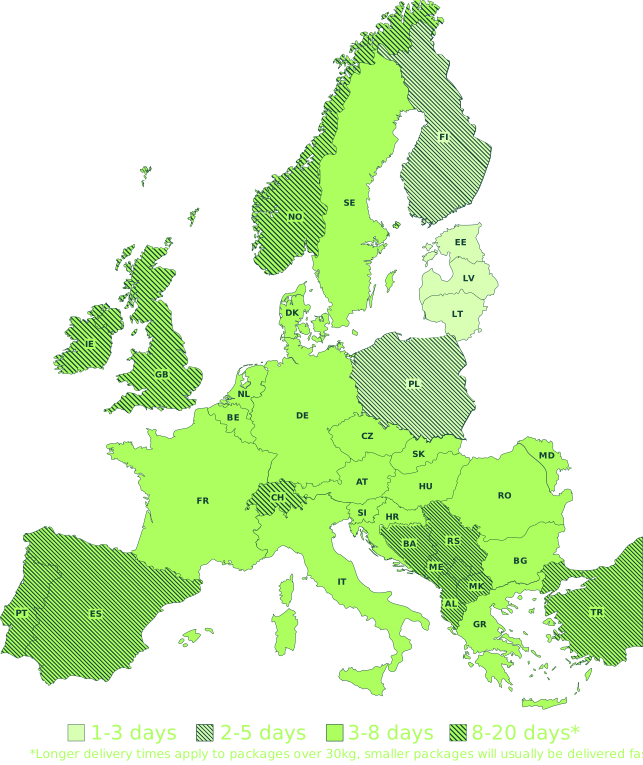
Since 2016 Voltride has shipped over 12,000 packages to private and B2B customers


Fast Shipping all across Europe
Watch Us in Action
Voltride for Commuters, Active Riders and Professional Users
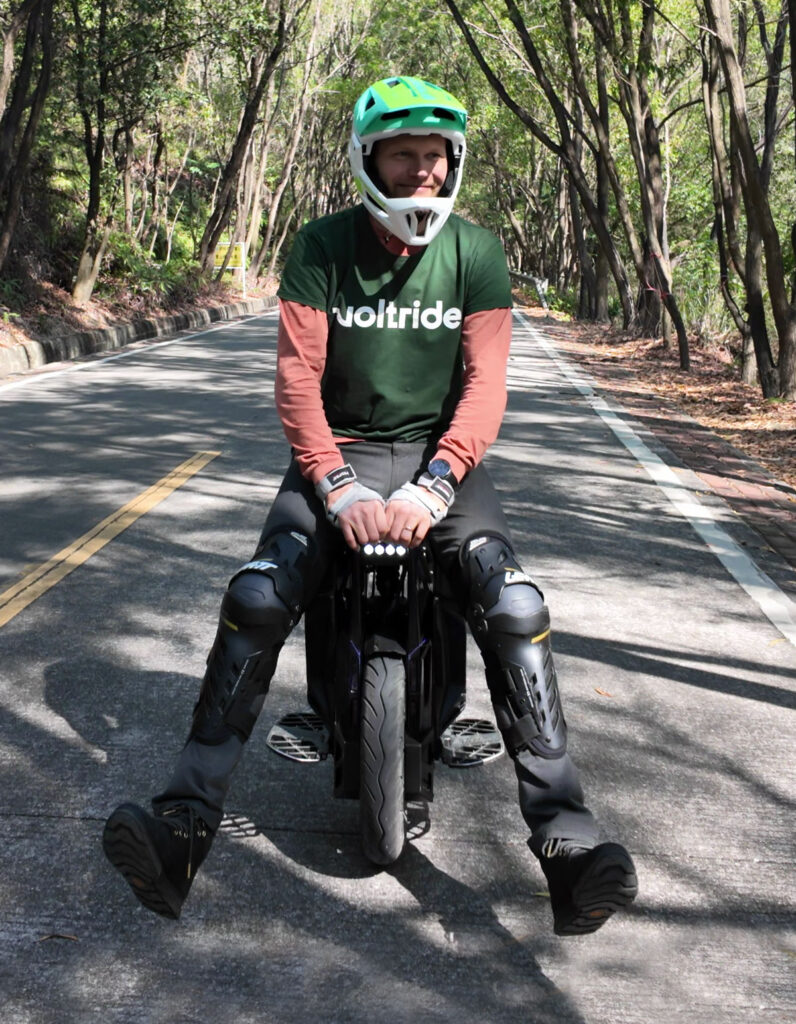
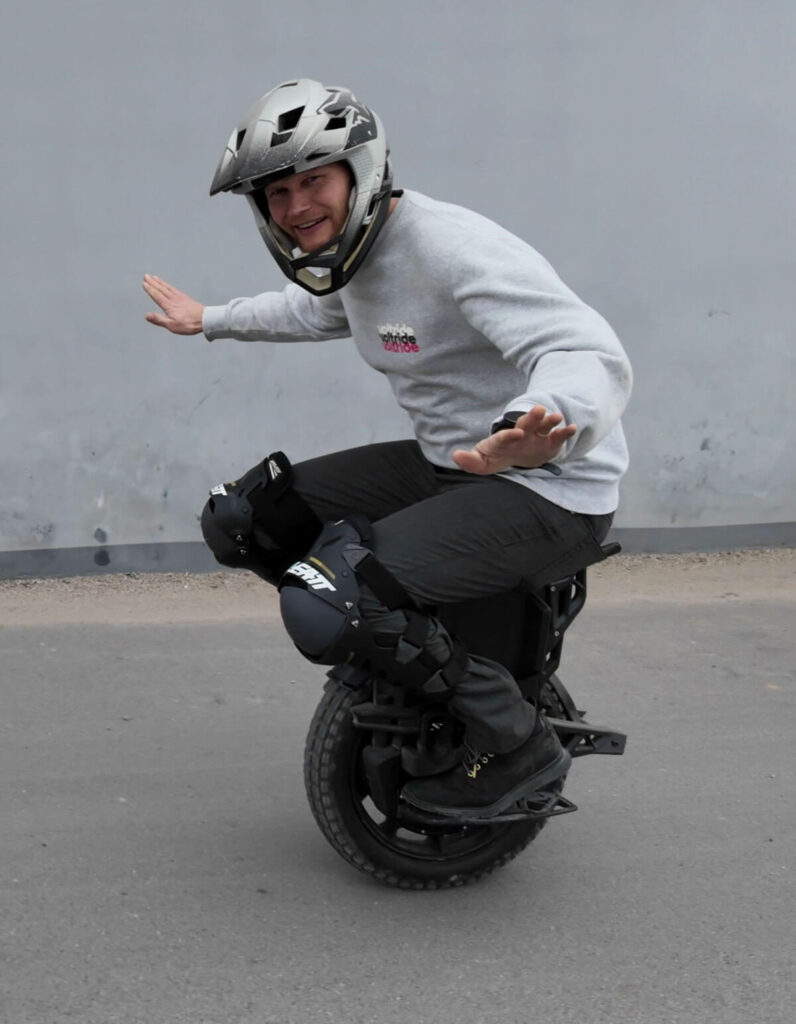
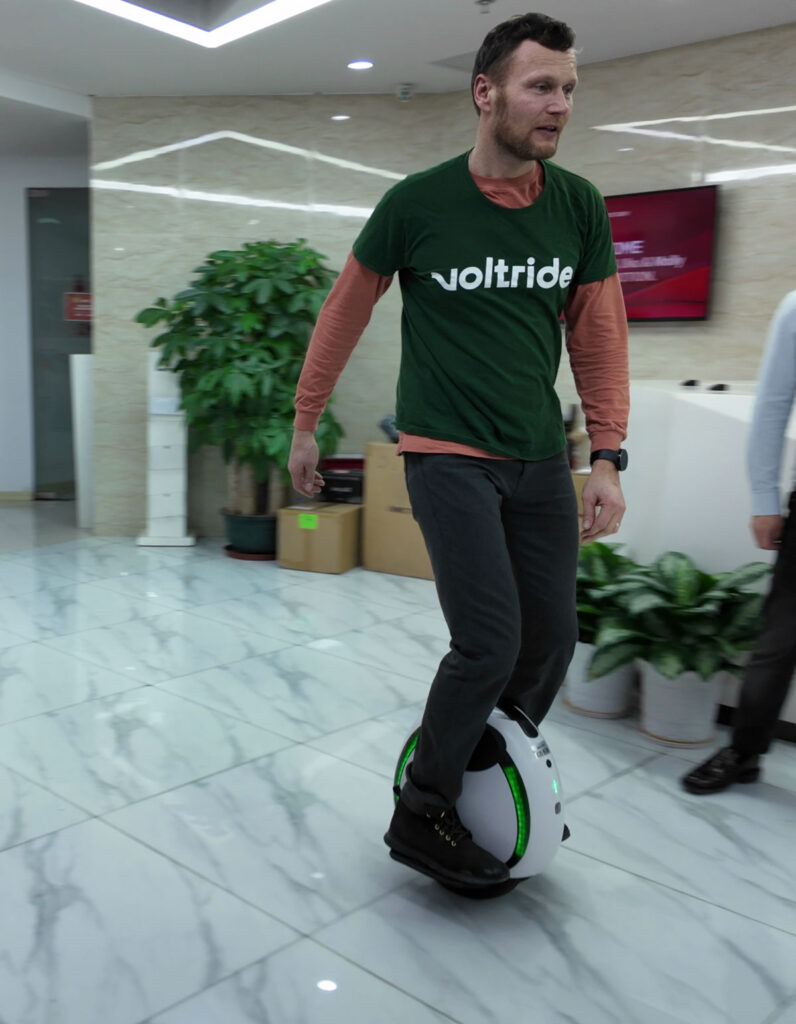
Voltride started in 2016 as a family company gathering enthusiasts and specialists to attract more and more people and businesses to the electric lifestyle. Lifestyle of fun and function, or to put it more elegantly: commuters, active riders and professional users in delivery, tourism and business operations. Voltride is one of the largest players in Scandinavia and the Baltics in the area of personal electric mobility, serving customers across Europe.
Over 12,000 items shipped
2,000 + products and spare parts available in stock
Deliveries to over 34 countries




 About Us


